
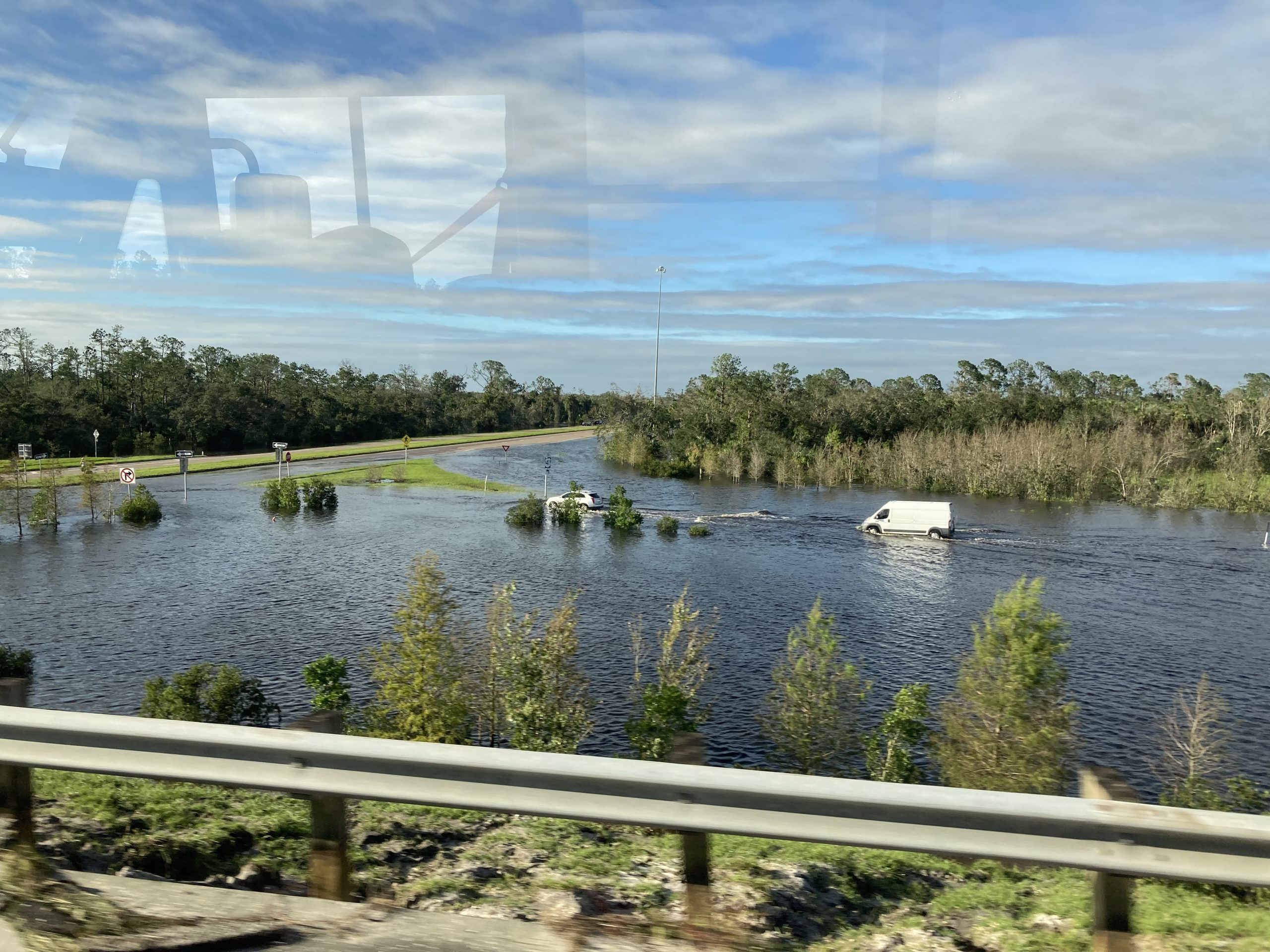
Over a quarter of the entire nation’s population that occupy floodplains live in Florida. Floodplains are flat areas of land near rivers or streams. Nearly 400,000 homes were built on Florida’s floodplains between 2001 and 2019 — a higher amount than any other state in the United States. Additionally, nearly 40 percent of the state’s land that can be developed is comprised of its floodplains. Housing in floodplains is particularly vulnerable to flooding caused by natural disasters like hurricanes. Florida has a six-month-long hurricane season — and the ferocity of these hurricanes has been increasing over time.
Matched by the Community Development Block Grant (CDBG) program’s Voluntary Acquisition Program in 2013, the Rebuild Florida Voluntary Home Buyout Program targets low- to moderate-income homeowners in areas identified as “Most Impacted and Distressed (MID).” These are homes on land that are considered to be at a high risk for flooding during storm surges and the powerful hurricane season. The funding requires an application and is provided to local governments who then apply for matching CDBG-DR (Disaster Recovery) funding. This allocation of money is subsequently used to purchase these high-risk properties for their fair market value from qualifying homeowners. The program may also provide housing replacement incentives to assist with homeowner relocation. After this occurs, the newly acquired properties are refurbished into public greenspaces and placed under conservation-based restrictions, prohibiting future development with reasonable exceptions. Counties can also provide their own additional incentives to the program.
The following Florida counties have been provided funding via Voluntary Home Buyout programs: Bay, Lee, Sarasota, and Monroe. Some smaller municipalities have also accepted these funds. The Rebuild Florida Voluntary Home Buyout Program has only been introduced in practice twice as of 2024; it was implemented for the first time in 2017 following the aftermath of Hurricane Irma, and then again in 2018 following the destruction by Hurricane Michael.
The removal of these parcels benefits several different groups, including Floridians who may not be able to sell due to the undesirable location of the unit, Floridians who may not be as savvy when it comes to the purchasing of property, heirs’ property owners, and anyone whose home is insured through the Citizens Property Insurance Corporation. Those with insurance now face a lower risk of the universal, flat surcharge of 15 percent, which happened when the CPIC could not fund all of the payouts in a year’s time.