
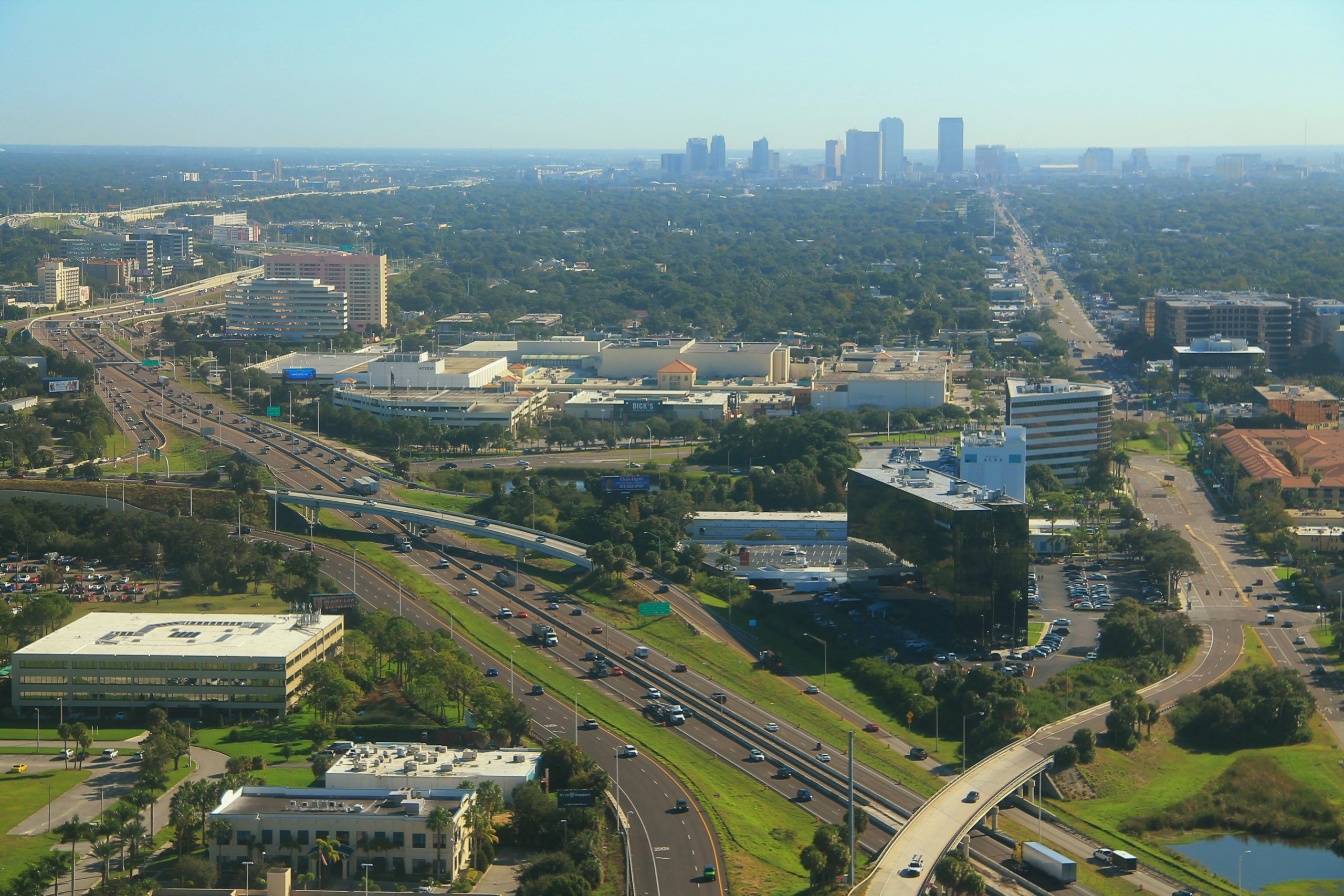
In 2024, the Highways to Boulevards movement came to Florida. This movement focuses on replacing aging highways with streets, housing, and green spaces that better connect, and in many cases, re-establish communities. In Florida, the cities of Tampa (I-275) and St. Petersburg (I-75), hold the two initial projects, which focus on revitalizing formerly redlined communities that were intentionally profiled and devastated by highway construction. Much of the funding utilized for these projects was set to come from the American Jobs Plan, which was passed in March 2021. This funding was later split between the Infrastructure Investment and Jobs Act and the Inflation Reduction Act, which were both passed in November 2021 as part of the Build Back Better Framework. However, the funding for Highways to Boulevards projects may be rescinded following the removal of funding to programs that support Diversity, Equity, and Inclusion (DEI) in 2025.
The Highways to Boulevards movement has been successfully implemented in other states across the country, as well as other countries across the globe. Many of these projects have resulted in decreased carbon levels, population growth, and increased economic development. There are currently more than 30 similar projects being enacted across the country. There are four principles that Highways to Boulevard projects incorporate: (1) Root the Program in Community Priorities; (2) Adopt New Metrics that Create Streets for People; (3) Invest in Holistic Neighborhood Repair; and (4) Prevent Displacement of Legacy Residents. As many of these projects are focused on places where the 1956 Federal Highway Act targeted and destroyed formerly redlined communities, hearing the input from the community regarding the well-being and protection of its residents is a priority in the planning and implementation of these projects.